
Building a SAAS startup in 2026 is very different from what it was a few years ago. Markets move faster, competition is higher, and users expect polished experiences from day one. In this environment, MVP SAAS development is no longer just about building a “basic version”—it’s about launching smart, validating fast, and scaling with confidence.
This guide explains everything startups need to know about MVP SAAS development in 2026, including what an MVP really means today, how to approach it strategically, and how to avoid the most common mistakes founders still make.
What MVP SAAS Development Really Means in 2026
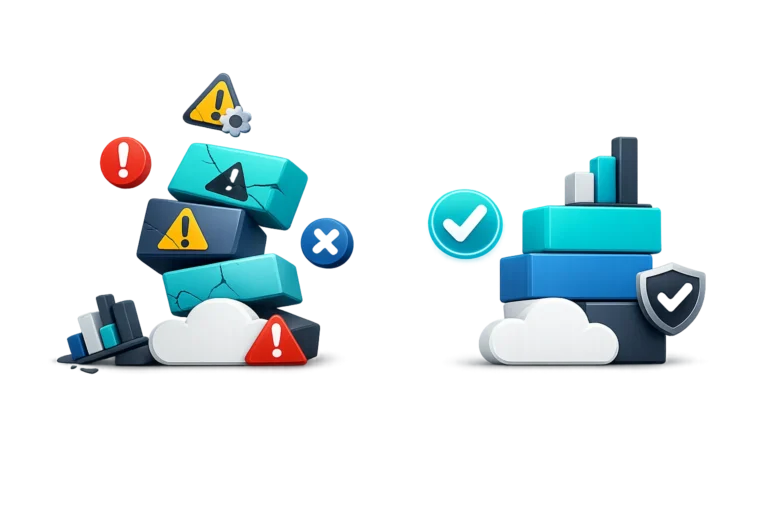
Traditionally, MVP stood for Minimum Viable Product. Many founders misunderstood this as “build something incomplete and hope users tolerate it.” That mindset no longer works.
In 2026, an MVP SAAS is:
- Minimal in scope, not quality
- Viable in real market conditions
- Designed to scale later
- Ready for real users and real feedback
Your MVP should solve a clear problem, work reliably, and feel professional—without unnecessary complexity.
Why MVP SAAS Is Still the Smartest Way to Start
Startups fail most often because they build too much, too early, without validation. MVP SAAS development helps avoid that by focusing on learning, not guessing.
Key benefits include:
- Faster time to market
- Lower development costs
- Early user validation
- Reduced technical risk
- Better product decisions
An MVP lets you test assumptions before committing significant resources.
Step 1: Define the Core Problem Clearly
Every successful MVP starts with clarity.
Before writing a single line of code, you must answer:
- Who is the user?
- What problem are they facing right now?
- How are they solving it today?
- Why is your solution better or simpler?
In 2026, users have countless tools available. Your MVP must focus on one core pain point, not ten features.
Step 2: Decide What to Build—and What to Skip
A strong MVP includes only features required to deliver value.
Common MVP features often include:
- User authentication
- Core dashboard
- One primary workflow
- Basic analytics or usage tracking
- Admin controls
Features that usually don’t belong in an MVP:
- Advanced automation
- Multiple user roles
- Complex integrations
- Over-customized UI
- Rare edge-case features
Less is not weakness—it’s focus.
Step 3: Choose the Right Development Approach
In 2026, startups have multiple ways to build MVPs. The smartest founders choose approaches that balance speed, flexibility, and scalability.
Common approaches include:
- Using ready-to-market SAAS foundations
- Customizing existing frameworks
- Combining prebuilt modules with custom logic
This avoids months of repetitive development while still allowing product differentiation.
Step 4: Design for Trust, Not Just Functionality
Users judge your product within seconds.
Even an MVP must feel:
- Secure
- Stable
- Easy to use
- Professionally designed
A clean UI, clear onboarding flow, and consistent branding dramatically improve early adoption and retention.
In 2026, design is no longer optional—even for MVPs.
Step 5: Build With Scalability in Mind
An MVP should be simple—but never short-sighted.
Scalable MVP SAAS development includes:
- Clean architecture
- Modular features
- API-ready structure
- Cloud-friendly deployment
- Performance-aware design
This ensures that when traction comes, you can grow without rebuilding everything.
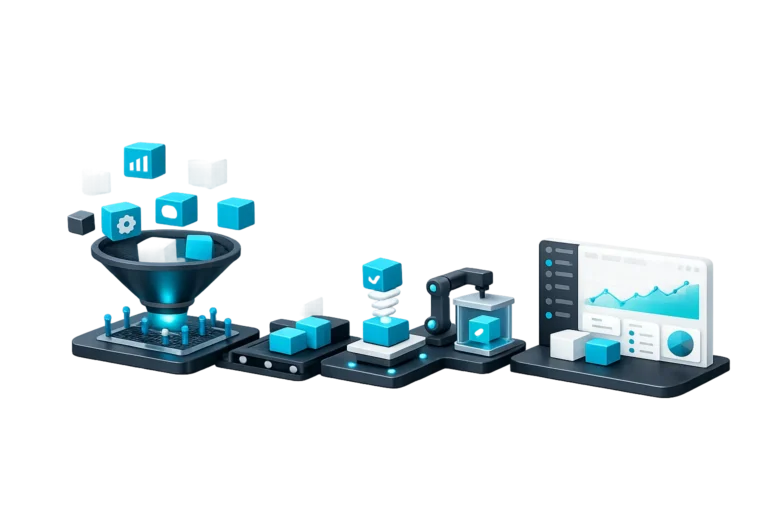
Step 6: Launch Early and Measure Everything
Your MVP launch is not the finish line—it’s the starting point.
Once live, track:
- User behavior
- Drop-off points
- Feature usage
- Conversion actions
- Support requests
Data-driven insights help you decide what to build next—and what to remove.
Step 7: Iterate Based on Real Feedback
The biggest advantage of MVP SAAS development is learning fast.
Instead of assumptions, you get:
- Real usage patterns
- Honest feedback
- Market validation
- Clear priorities
Iteration should be continuous, intentional, and aligned with user needs—not personal preferences.
Common MVP SAAS Mistakes Startups Still Make
Even in 2026, founders repeat the same mistakes:
- Trying to impress instead of solving
- Overloading the first version
- Delaying launch for perfection
- Ignoring user feedback
- Choosing the wrong tech direction
Avoiding these mistakes can save months of effort and thousands in cost.
When to Move Beyond the MVP Stage
You know your MVP is successful when:
- Users actively return
- Core features are used regularly
- Feedback is consistent and actionable
- There’s clear willingness to pay or adopt
At this stage, you can safely invest in:
- Advanced features
- Better automation
- Performance optimization
- Growth-focused enhancements
Final Thoughts: MVP Is a Strategy, Not a Shortcut
MVP SAAS development in 2026 is about smart execution, not cutting corners. It’s a disciplined approach that prioritizes speed, clarity, and learning—while keeping long-term growth in mind.
Start small. Launch fast. Learn faster.
That’s how modern SAAS products win.