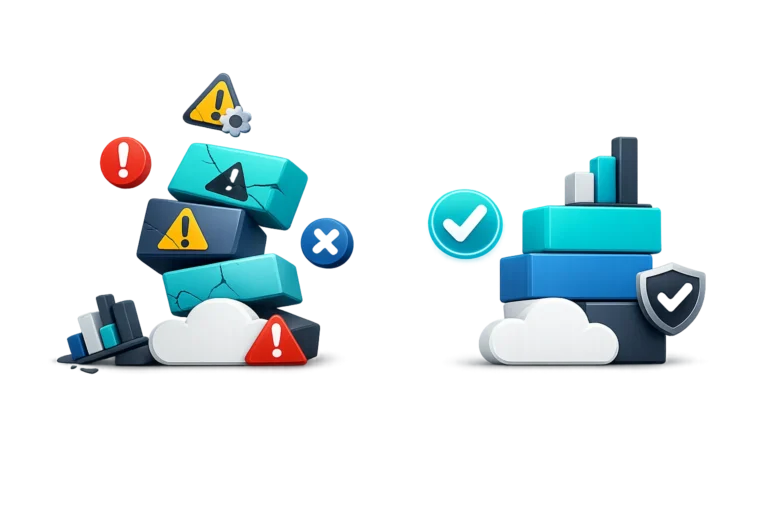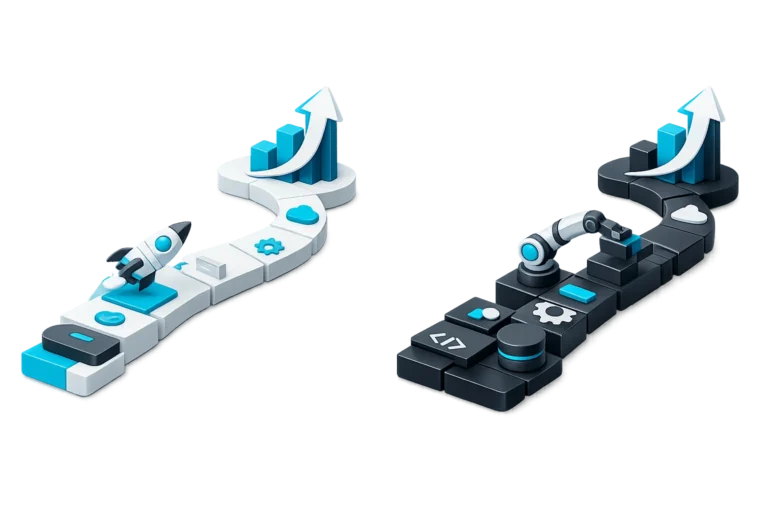


One of the biggest mistakes SAAS founders make is building first and validating later. Development feels productive, but without validation, it’s also the fastest way to burn time and money on the wrong idea.
Validating your SAAS idea before investing in development doesn’t mean slowing down—it means reducing risk. In fact, the best startups move fast because they validate early.
This guide explains how to validate your SAAS idea step by step, using practical methods that work in today’s competitive market.
Why SAAS Idea Validation Matters More Than Ever
In today’s market, users have endless alternatives. A good idea alone isn’t enough—you need proof that:
- The problem is real
- People actively want a solution
- Users are willing to pay
- Your solution fits their workflow
Validation protects you from building something impressive that nobody uses.
Step 1: Clearly Define the Problem (Not the Product)
Most founders describe their idea in terms of features. Validation starts with problems, not features.
Ask yourself:
- Who is the user?
- What problem are they facing repeatedly?
- How are they solving it right now?
- Why is that solution frustrating or inefficient?
If you can’t explain the problem in one simple sentence, the idea isn’t ready yet.
Step 2: Identify Your Exact Target Audience
“Everyone” is not a target audience.
Validation becomes easier when your audience is specific:
- Startup founders
- Marketing teams
- Agencies
- Sales managers
- Educators
- Small businesses
The clearer your audience, the clearer your validation signals will be.
Step 3: Validate With Conversations, Not Assumptions
Before writing code, talk to real people.
You don’t need hundreds—10 to 20 honest conversations can reveal patterns quickly.
Ask questions like:
- What’s the hardest part of this process today?
- What tools do you currently use?
- What do you dislike about them?
- Would you pay to solve this problem better?
Avoid pitching. Listen more than you talk.
Step 4: Create a Simple Landing Page
A landing page is one of the fastest validation tools.
It should include:
- Clear problem statement
- Simple solution explanation
- Who it’s for
- Primary benefit
- One clear call to action
The goal is not perfection—it’s to see whether people care enough to take action.
Actions can include:
- Joining a waitlist
- Requesting early access
- Booking a demo
- Filling a short form
Interest beats opinions.
Step 5: Test Willingness to Pay Early
Real validation happens when money enters the picture.
You don’t need to charge immediately, but you should test:
- Pricing expectations
- Budget comfort zones
- Payment intent
Even asking “Would you pay $X for this?” reveals more than general enthusiasm.
A smaller group willing to pay is more valuable than a large group saying “sounds cool.”
Step 6: Validate the Workflow, Not Just the Idea
An idea can sound great but fail in daily use.
Validation should also answer:
- How often will users use this?
- Does it fit naturally into their workflow?
- Does it replace something or add complexity?
SAAS products that require behavior change are harder to adopt than those that simplify existing habits.
Step 7: Use a Lightweight MVP (Not Full Development)
Validation doesn’t require full development.
Smart options include:
- Interactive mockups
- Clickable prototypes
- Limited feature MVPs
- Ready-to-market foundations customized lightly
The goal is to test core value, not edge cases.
Step 8: Measure the Right Validation Signals
Not all signals are equal.
Strong validation signals:
- People follow up unprompted
- Users ask when it will launch
- They compare it to current tools
- They ask about pricing or access
Weak signals:
- “Nice idea”
- “Sounds interesting”
- “I’d use it someday”
Focus on behavior, not compliments.
Step 9: Be Ready to Pivot Early
Validation isn’t about proving yourself right—it’s about learning fast.
You may discover:
- A different user group needs it more
- One feature matters more than others
- Pricing expectations differ
- The problem needs reframing
Early pivots are cheap. Late pivots are expensive.
Step 10: Know When Validation Is Enough
You don’t need perfect certainty.
You’re ready to invest in development when:
- The problem is consistently confirmed
- A specific audience shows interest
- There’s clear willingness to pay
- The solution feels focused, not bloated
Validation reduces risk—it doesn’t eliminate it. Momentum matters too.
Common Validation Mistakes to Avoid
- Asking friends instead of target users
- Overvaluing positive feedback
- Ignoring pricing discussions
- Validating features instead of outcomes
- Waiting for “perfect” confidence
Progress comes from informed action, not endless research.
Final Thoughts
Validating your SAAS idea before development is one of the smartest decisions you can make as a founder. It saves time, money, and emotional energy—and gives your product a real chance to succeed.
Build less. Learn more. Validate early.
That’s how strong SAAS products are born.