
Launching a SAAS startup is exciting—but it can also be overwhelming. Many founders get stuck in long development cycles, high costs, and technical roadblocks before they even reach their first users. The truth is, building everything from scratch is no longer the smartest or fastest way to launch a SAAS product.
Today’s successful founders focus on speed, validation, and scalability, not months of reinventing the wheel. If your goal is to launch faster, reduce risk, and start generating traction early, there are far more efficient paths available.
This guide breaks down how to launch a SAAS startup faster without building from scratch, while still maintaining quality, flexibility, and long-term growth potential.
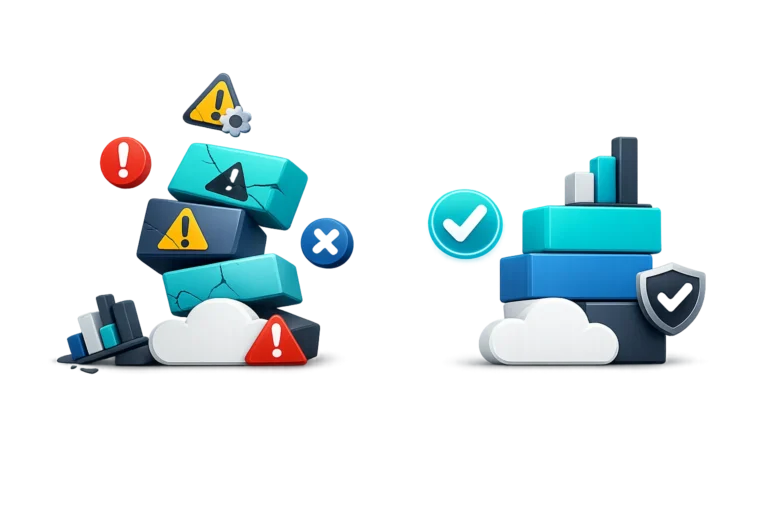
Why Building From Scratch Slows Most SAAS Startups
Building a SAAS product from zero sounds ideal in theory, but in reality it introduces several challenges:
- Long development timelines before launch
- High upfront development and infrastructure costs
- Repeated trial-and-error during feature building
- Delayed feedback from real users
- Increased risk of building features nobody wants
Many startups fail not because the idea is bad, but because they run out of time, money, or momentum before reaching product-market fit.
Speed matters. The faster you launch, the faster you learn.
The Smarter Alternative: Launch Without Starting From Zero
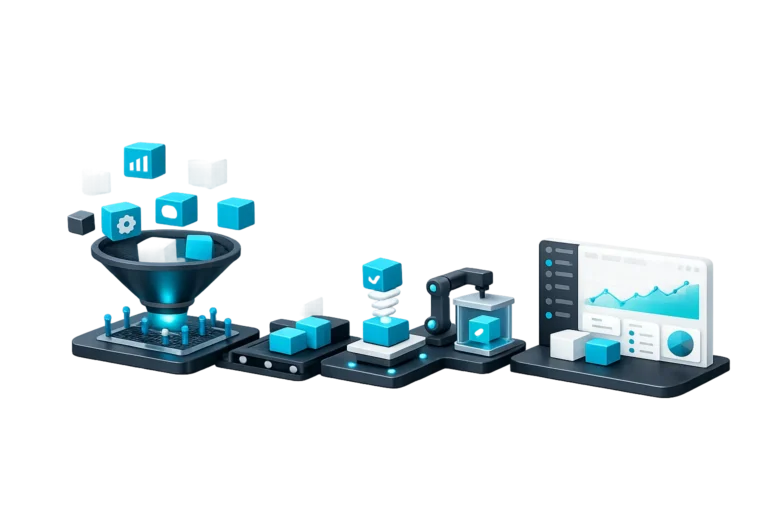
Modern SAAS founders are choosing ready-to-market foundations instead of blank canvases. This approach allows you to skip repetitive groundwork and focus on what actually differentiates your product.
Instead of spending months building core systems like authentication, dashboards, billing logic, or AI workflows, you start with a solid base that’s already tested and functional.
You still get flexibility—but without the delay.
Step 1: Start With a Proven SAAS Foundation
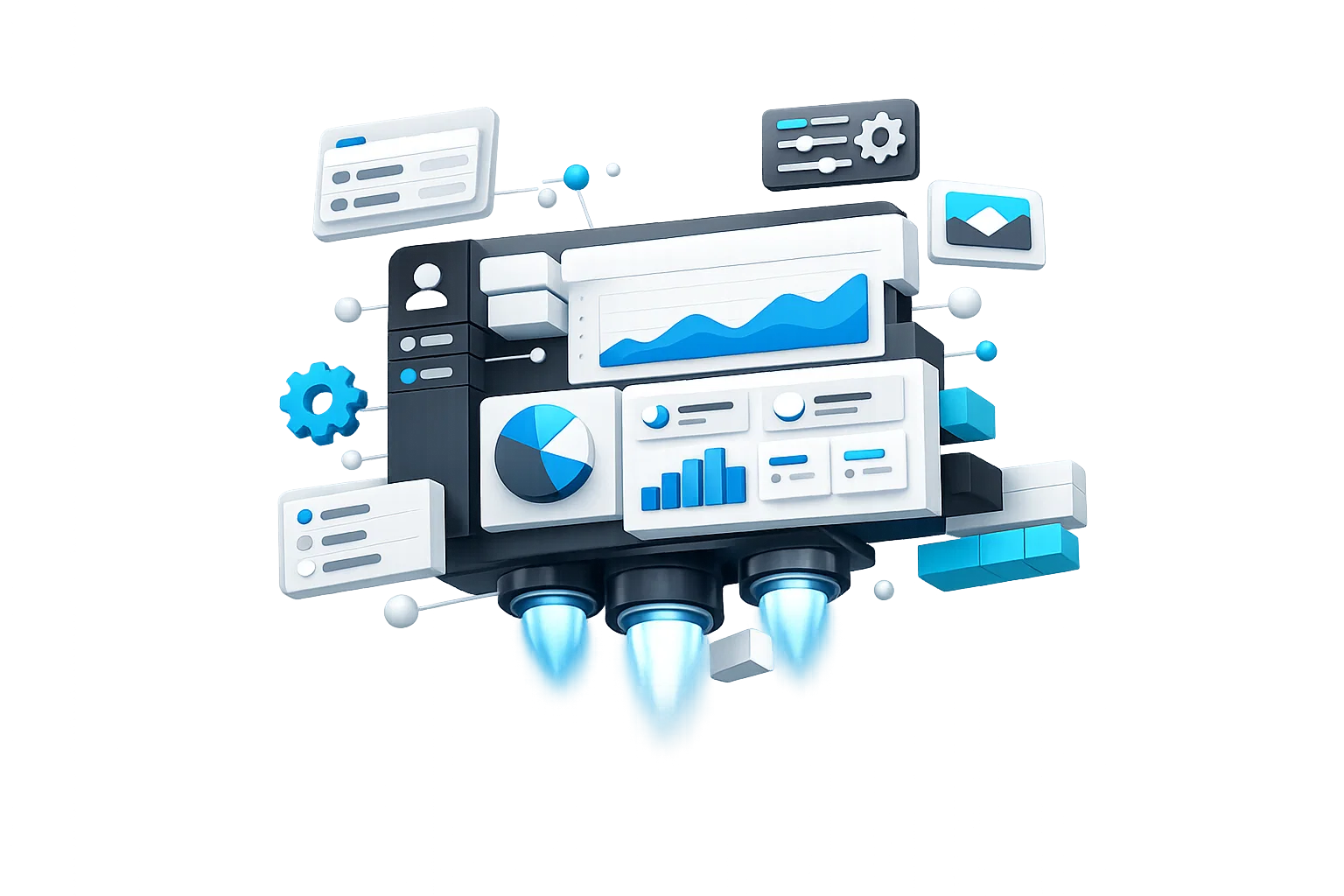
Launching faster begins with choosing a prebuilt SAAS structure that already includes essential components such as:
- User management and authentication
- Admin dashboards
- Core workflows and automation
- API and integration readiness
- Scalable architecture
This instantly removes weeks—or even months—of development time.
You’re not limiting your idea. You’re accelerating it.
Step 2: Customize Instead of Rebuilding
One common myth is that starting with a ready solution means compromising on uniqueness. That’s not true.
A smarter approach is customization over construction.
You can:
- Customize features to match your use case
- Rebrand UI, colors, typography, and layouts
- Adjust workflows based on your target users
- Add or remove modules as needed
This lets you create a product that feels purpose-built—without paying the cost of starting from scratch.
Step 3: Focus on MVP, Not Perfection
Founders often delay launch chasing the “perfect product.” In reality, speed beats perfection in early-stage SAAS.
A faster launch allows you to:
- Validate your idea with real users
- Collect feedback early
- Identify what actually matters
- Avoid wasting time on unnecessary features
An MVP doesn’t mean low quality. It means focused functionality.
Launching earlier gives you data, not assumptions.
Step 4: Use Branding to Create a Unique Identity
Even when your technical foundation is shared, branding makes your SAAS stand out.
Strong branding includes:
- Professional logo and color system
- Clean UI and UX decisions
- Clear messaging and positioning
- Trust-building design consistency
Users don’t see your code—they see your experience.
With proper branding and UI customization, your product feels original, credible, and market-ready from day one.
Step 5: Skip Infrastructure Headaches
Building from scratch often means dealing with hosting, deployment pipelines, scalability planning, and security concerns—all before launch.
A faster path removes this friction by:
- Using optimized deployment setups
- Leveraging scalable hosting configurations
- Ensuring performance and security readiness
- Avoiding common early-stage infrastructure mistakes
This lets founders focus on growth and users, not server issues.
Step 6: Launch, Learn, and Improve Continuously
The goal isn’t just to launch faster—it’s to improve faster.
When you launch early:
- You collect real user behavior data
- You discover feature gaps quickly
- You can iterate based on demand
- You reduce the risk of overbuilding
This approach aligns perfectly with lean startup principles and modern SAAS growth strategies.
Who Should Avoid Building From Scratch?
Launching without building from zero is especially effective for:
- First-time founders
- Non-technical entrepreneurs
- Startups testing a new idea or niche
- Businesses validating market demand
- Founders prioritizing speed and cost efficiency
If your idea depends more on execution, marketing, and positioning than on a brand-new algorithm, this approach makes even more sense.
When Does Custom Development Still Matter?
There are cases where fully custom development becomes necessary, such as:
- Highly specialized business logic
- Complex enterprise-level workflows
- Unique compliance or security requirements
- Advanced scalability needs at later stages
The key is timing.
Many successful startups launch fast first, validate demand, and then gradually evolve into more customized systems as they grow.
Final Thoughts: Speed Is a Competitive Advantage
In today’s SAAS landscape, the winners aren’t always the ones who build the most features—they’re the ones who launch, adapt, and scale the fastest.
Avoiding scratch builds doesn’t mean cutting corners. It means making smarter decisions, reducing risk, and giving your idea a real chance to succeed.
If your goal is to move fast, validate early, and grow confidently, launching without starting from zero might be the smartest decision you make.